A patio that never gets used is almost always a design failure, not a weather problem. People blame heat, bugs, small square footage, or the wrong furniture, but the deeper issue is simpler: the space does not make daily life feel easy.
The fix starts when you stop treating the patio like a photo backdrop and start shaping it around comfortable outdoor living. That shift changes everything. You stop chasing pretty pieces that wobble after one season. You stop buying random accents that look cheerful for a week and cluttered after a month. You begin building a place that earns its spot in your routine, whether that means coffee at sunrise, dinner with family, or ten quiet minutes after a long day. For readers who follow broader home and lifestyle coverage, design and living insights can spark ideas, but the strongest patios still come down to one thing: they feel easy to use.
A good patio does not need expensive materials or a giant footprint. It needs intention. The best ones guide movement, hold up under weather, soften noise, and make sitting down feel automatic instead of awkward. When you get those pieces right, the space stops being decorative overflow from the house and starts acting like another room with better air.
Start With Function Before You Buy a Single Thing
Most patio mistakes happen before the first chair arrives. People shop by style first, then try to force the space to behave. That is backwards. You need to decide what the patio must do on an ordinary Tuesday before you think about color, planters, or side tables.
Build a Patio Furniture Layout Around Movement
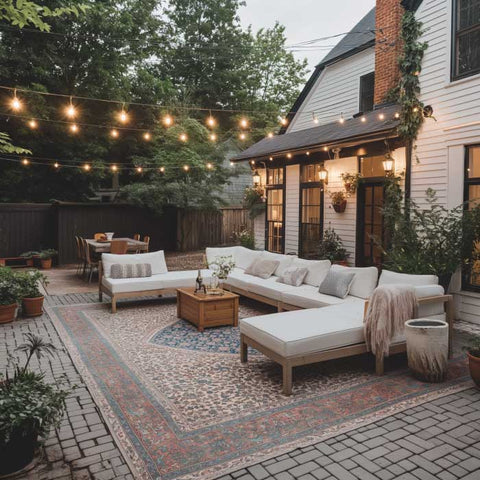
A strong patio furniture layout makes the space feel calm before anyone notices the furniture itself. You should be able to walk through the patio without turning sideways, stepping around chair legs, or dragging pieces each time someone sits down. A crowded setup does not feel cozy. It feels like mild inconvenience dressed up as charm.
Start by marking the traffic path from the door to the yard, grill, gate, or steps. Leave that route clear. Then place the largest furniture pieces around the activity you care about most. If the goal is conversation, face seats toward each other. If the goal is outdoor dining, keep the table close enough to the kitchen that carrying plates does not feel like a chore. The patio should reduce friction, not add it.
Most people also oversize furniture because it looked right in a showroom or on a screen. Scale matters more outside because open air tricks your eye. A loveseat that seems modest online can eat half a small slab patio once it lands. Tape out dimensions on the ground before you buy anything. That ten-minute step saves money and regret.
The second pass on your patio furniture layout should answer one hard question: what happens when three people sit down at once? That is where weak plans collapse. Chairs swing into each other, knees hit tables, and no one has a place to set a drink. If the arrangement works only when no one is using it, it is not a finished design.
Choose Outdoor Seating Ideas That Match Real Habits
The best outdoor seating ideas come from how you live, not from a trend cycle. A low lounge set looks polished, but it can be miserable for older guests or anyone trying to eat from a plate. A dining bench saves space, but it turns casual exits into a group negotiation. Style without behavioral fit is wasted money.
Think in layers instead. Use one main seat type for the core activity and one flexible seat type for overflow. That could mean upright dining chairs plus two lounge chairs nearby, or a compact sofa paired with stackable stools that disappear when not needed. Mixed seating makes a patio feel lived in because it handles different moods without a total reset.
Comfort outside also depends on back support, seat depth, and arm height more than people admit. Deep cushions look inviting, but they can force you into a half-reclined position that works for cocktails and fails at everything else. Test furniture with the same honesty you would use indoors. Sit. Lean back. Pretend you are staying there for an hour. The body tells the truth fast.
One of the smartest outdoor seating ideas is to leave one edge of the patio less fixed than the rest. That open edge gives you room for a stool, a pouf, or a pulled-over chair when more people show up. Not every inch needs a permanent object on it. Empty space is part of the design, and outside, it often does more work than another chair.
Make Weather Work for You Instead of Against You
Once the furniture earns its place, the next fight is climate. This is where many patios turn into seasonal disappointments. The goal is not to defeat weather. That is fantasy. The goal is to soften its worst edges enough that the patio stays useful across more months and more hours of the day.
Use Shade Solutions for Patios That Fit Your Sun Pattern
Good shade solutions for patios depend on timing more than size. A patio blasted by late-afternoon western sun needs a different answer than one that gets soft morning light and harsh noon glare. Many people buy a big umbrella and call it done, then wonder why half the seating still feels punishing by 4 p.m.
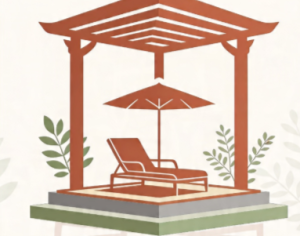
Watch the light for two or three days before you buy. Notice where the sun lands when you actually want to sit outside. Then match the fix to that pattern. Umbrellas work well for targeted zones like a breakfast table. Pergolas help frame a larger seating area. Outdoor curtains can block low-angle light that slips under overhead cover. Even a well-placed tree can change the whole mood, though that is the slowest play.
Portable shade is useful, but fixed shade tends to get used more because it asks less of you. That is the hidden rule of outdoor spaces: the more steps something takes, the less often it happens. If you need to drag, tilt, crank, and reposition every afternoon, you will skip it on busy days and the patio will sit empty.
The strongest shade solutions for patios also consider heat bounce from surrounding surfaces. Pale pavers can reflect glare upward. Dark fences can trap warmth and radiate it back at you after sunset. If summer comfort matters in your region, pair overhead shade with surfaces and textiles that do not turn the whole area into a heat pocket.
Light, Warmth, and Air Should Feel Quiet
People often overdo outdoor lighting because they are afraid of the patio feeling dull after sunset. The result looks less like a retreat and more like a restaurant trying too hard. You do not need brightness. You need layers that make faces visible, pathways safe, and the mood soft enough that people want to stay.
A small table lamp rated for outdoor use can do more for atmosphere than a string of harsh bulbs stretched across the yard. Add a wall light or sconce near the door so the transition from indoors feels natural. Then use one lower, warmer source near seating to anchor the eye. The point is guidance, not spectacle.
Warmth works the same way. A fire pit can be excellent, but only if it suits your space and local rules. In a tight patio, a compact electric heater or a basket of throws may solve the problem with less smoke, less maintenance, and less hassle. That is not less stylish. It is smarter. You can also check EPA outdoor air guidance when smoke, wildfire haze, or poor air days affect how often your patio is safe and pleasant to use.
Airflow is the quiet hero most people miss. A patio with decent shade and poor air movement still feels sticky and dull. Ceiling fans under covered patios, slatted screens, and plant placement that does not choke breeze paths can change comfort more than another pillow ever will. This is the kind of detail people notice without knowing why.
Designing for Comfortable Outdoor Living in Real Weather
A patio that survives one sunny weekend and then falls apart in actual weather was never designed well. Rain, pollen, dust, strong sun, and temperature swings will test every decision you make. The answer is not stripping the space of character. The answer is choosing materials and accents that can take a hit without looking tired.
Pick Weather-Resistant Decor That Ages Well
The best weather-resistant decor does not scream “outdoor product.” It simply keeps its shape, color, and dignity after weeks of exposure. That means focusing on covers, finishes, and fabrics that can handle light abuse without turning the patio into a storage problem.
Outdoor rugs are a good example. A rug can make the space feel settled, but only if it dries fast, cleans easily, and stays flat. The same goes for cushions. If you need to panic every time clouds roll in, the setup is too fragile. Look for washable covers, quick-dry fills, and materials that do not fade into a dull version of their former selves after one hot stretch.
Decor also needs visual weight. Wind is ruthless with anything too light, too flimsy, or too precious. A ceramic pot with enough heft, a sturdy lantern, or a textured side table can ground the patio better than five tiny decorative objects that spend half their life tipped over. Outside, restraint often looks richer than abundance.
Smart weather-resistant decor also respects maintenance fatigue. That is the part no one glamorizes. If every item needs special storage, polishing, or constant repositioning, the patio starts to feel like a job. Choose fewer pieces that can stay put, wipe clean, and still look good when the season gets messy.
Floors and Textiles Do More Emotional Work Than People Expect
Flooring sets the tone faster than furniture because it fills your field of vision. Stone, wood, concrete, composite decking, and tile each create a different emotional effect. Concrete feels clean and modern but can read cold without softness. Wood warms the space quickly but needs care. Tile can look sharp, though slick surfaces become a bad surprise in wet weather.
The best outdoor floor is not the one that wins a close-up photo. It is the one that fits your climate, budget, and tolerance for upkeep. A modest material installed cleanly will beat a fancier option that stains, cracks, or stays slippery. People remember how a patio feels underfoot more than they remember the exact finish name.
Textiles carry the mood. A thin throw, a patterned cushion, or a simple outdoor curtain can shift the space from exposed to settled in minutes. This is where softness matters. Hard surfaces dominate most patios by default, so fabric choices decide whether the space feels welcoming or stiff. You do not need a flood of color. You need contrast, texture, and a little restraint.
One detail people learn the hard way is that outdoor fabric still needs editing. Not every cushion belongs outside all season, and not every woven accent should face direct rain. The smartest patios have a core set of durable textiles that stay put, then one or two smaller pieces you rotate when the weather is on your side. That keeps the space feeling fresh without turning the whole thing into a constant swap.
Keep the Patio Easy to Maintain or It Will Slowly Die
The last step is where long-term success gets decided. A patio can look right on day one and fail by month three because it asks too much from you. Outdoor spaces have to compete with work, errands, weather changes, and plain old fatigue. If upkeep feels annoying, the patio gets ignored, and ignored spaces decline fast.
Storage, Hosting, and Daily Reset Matter More Than Decor Trends
The patios people use most often are rarely the ones packed with the flashiest pieces. They are the ones that recover quickly after life happens. Someone leaves a cup outside. A cushion gets tossed aside. The dog tracks dirt across the rug. Guests come over with no warning. The space still works because resetting it takes five minutes, not forty.
Storage is the backbone of that ease. A deck box, a storage bench, or a slim cabinet can hold throws, serving pieces, citronella, and covers without sending you back into the house every time you need one extra thing. Good hosting depends on that kind of readiness. The less hunting and hauling involved, the more often you will use the patio without overthinking it.
You should also create one stable serving zone, even if it is small. A bar cart, sideboard, or narrow console gives drinks, plates, and tools a home. That simple move keeps gatherings from collapsing into clutter on every flat surface. It also makes solo use better. Morning coffee feels calmer when there is a place for the mug, the book, and the sunglasses that always end up wandering.
The smartest patios have a visible center and a hidden support system. People admire the seating, plants, and lights, but what keeps the space alive is the boring stuff you solved in advance. That is the difference between a patio that photographs well and one that still feels good in late season when the novelty has worn off.
Seasonal Care Should Be Light, Not Constant
A patio should need attention, not devotion. That means setting a rhythm you can keep. Sweep once or twice a week in heavy-use months. Wipe surfaces before grime hardens into work. Wash cushion covers on a schedule instead of waiting until they look rough. Small maintenance done on time saves you from the ugly deep-clean marathon later.
Plants need the same honesty. Do not build an outdoor room around greenery you cannot keep alive. One healthy planter beats six struggling ones every time. Choose plants that fit your light and climate, then group them where watering and cleanup stay manageable. A patio should lower stress, not create another household guilt zone.
Seasonal edits help too. Summer may call for lighter textiles and open layouts. Cooler months can handle heavier throws, warmer lighting, and furniture pulled closer together. You do not need a full redesign each season. You need small shifts that match how you actually use the space as the air changes.
This is also where patience pays off. Outdoor spaces mature. You notice which seat gets the best breeze, which corner never gets used, which table is too far from the door, which planter blocks the path. The best patios are rarely “finished” in one shopping run. They get sharper because you pay attention and adjust without ego.
A patio earns its value when it becomes part of your week instead of a place you admire through glass. That change does not come from stuffing it with more products. It comes from better choices: furniture that fits, shade that lands where you need it, materials that survive weather, and a setup that does not punish you for using it.
The real promise of comfortable outdoor living is not that your patio will look perfect every hour of every season. It is that the space will keep inviting you back because it feels useful, calm, and easy to maintain. Start with one honest upgrade this week—fix the layout, improve the shade, or remove the pieces that never worked—and build from there. A patio does not need to impress the internet. It needs to make you want to step outside.
Frequently Asked Questions
What is the best patio layout for a small backyard?
Keep one clear walking path, then anchor the space around one main activity such as dining or lounging. Smaller patios work best when furniture is scaled down, pieces can move without effort, and open floor area is treated as part of the design instead of wasted space.
How do I make my patio more comfortable in hot weather?
Focus on shade, airflow, and surface temperature first. Overhead cover, a fan, breathable cushions, and materials that do not trap heat will do more than decorative changes. Heat management works best when you solve sun exposure before adding accessories.
Which outdoor furniture lasts the longest on a patio?
Powder-coated metal, quality teak, all-weather wicker over sturdy frames, and high-performance outdoor fabrics usually hold up well when maintained properly. Longevity depends as much on construction and finish quality as it does on the material itself, so inspect joints, hardware, and cushion covers before buying.
How often should I clean an outdoor patio space?
Light weekly care is enough for most patios during active months. Sweep debris, wipe surfaces, and spot-clean fabrics before stains set in. A deeper seasonal clean at the start and end of peak use keeps the space looking settled without turning maintenance into a major job.
What are the smartest shade options for a sunny patio?
Match the solution to the time and angle of the sun. Umbrellas suit targeted areas, pergolas cover larger zones, and curtains or screens help block low afternoon glare. The right answer depends less on size and more on where sunlight hits when you plan to sit outside.
How can I decorate a patio without making it feel cluttered?
Use fewer pieces with stronger purpose. Pick one rug, a restrained color palette, and a handful of durable accents with enough visual weight to hold their place outdoors. Patios feel richer when each item earns its spot instead of competing for attention.
What flooring works best for an outdoor patio?
Choose based on climate, traction, upkeep, and how the surface feels underfoot. Concrete, wood, composite, stone, and tile can all work when installed well. The strongest option is the one you can maintain easily and use safely in the weather conditions your home actually gets.
How do I turn my patio into a space I use every day?
Design around a habit you already have, such as morning coffee, evening reading, or family dinners. Then remove friction. Keep seating ready, store essentials nearby, and make comfort automatic. Daily use comes from ease, not from chasing a magazine-worthy setup.