
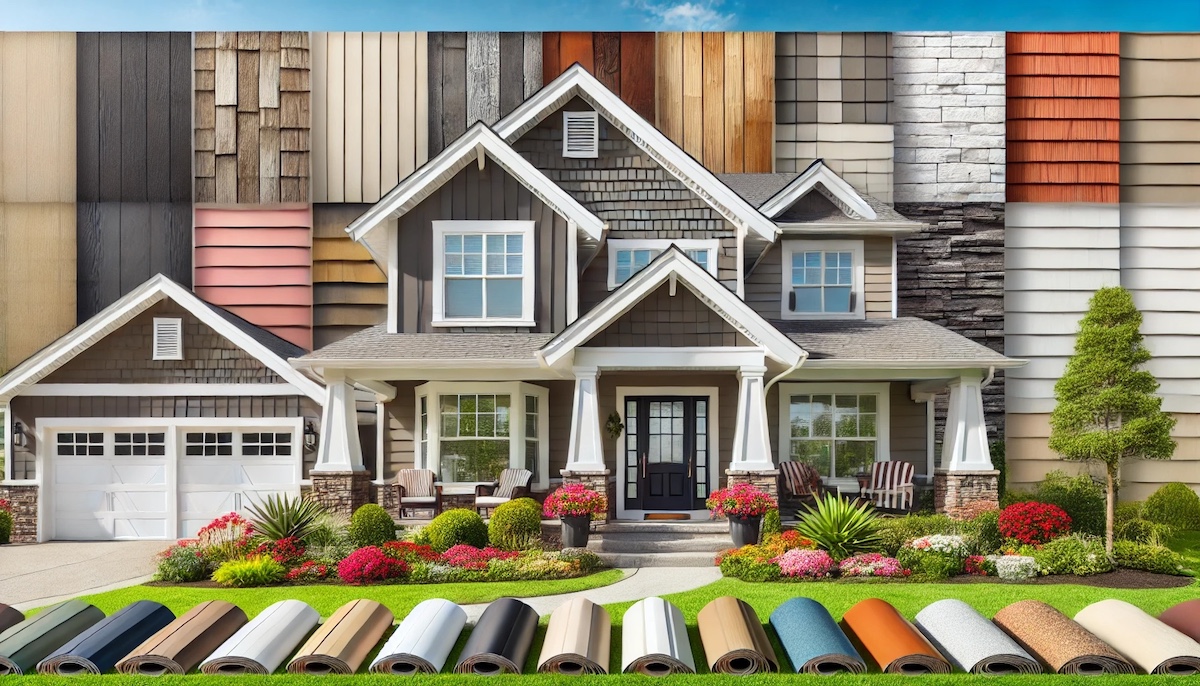
A house can look tired from the street long before anything is actually wrong with its bones. That is why siding options deserve more attention than a quick color pick at the end of a renovation plan. The right siding protects against rain, sun, wind, pests, and resale disappointment, while the wrong one turns into a repair cycle you can see every time you pull into the driveway. Across the U.S., homeowners face wildly different conditions, from humid summers in Georgia to freeze-thaw winters in Minnesota and salt-heavy air near coastal towns. A smart choice starts with your climate, your maintenance tolerance, and the style your home already wants to have. Resources like home improvement planning guides can help homeowners think through upgrades with a bigger-picture mindset instead of chasing one pretty sample board. Good siding is not decoration pasted onto a wall. It is the skin of the house, and skin has a job.
Materials That Balance Beauty, Budget, and Weather
Material choice is where most siding projects either gain discipline or lose control. A beautiful product can be a poor fit if it hates moisture, needs constant upkeep, or clashes with the neighborhood. A cheaper panel can also perform better than expected when the installation is clean and the climate is forgiving. The smartest homeowners do not ask, “What looks best?” first. They ask, “What will still make sense ten years from now?”
Why fiber cement siding fits demanding neighborhoods
Fiber cement siding has become popular because it sits in a rare middle ground. It can mimic wood grain, handle fire exposure better than many common claddings, and resist rot when installed with proper clearances. In neighborhoods where buyers expect a polished exterior, it gives a house a substantial look without asking the owner to baby it every spring.
A homeowner in suburban Denver, for example, may deal with bright sun, hail risk, cold snaps, and dry air in the same year. Painted wood can look rich there, but it may demand more touch-up work than the owner expected. Fiber cement siding gives that same traditional lap profile while standing up better to the mood swings of the climate.
The catch is weight. Crews need to cut, fasten, flash, and caulk it with care, or the product loses its advantage. That is the part many homeowners miss. The board is not magic. A rushed crew can turn a strong product into a future water problem.
When vinyl siding makes more sense than pride admits
Vinyl siding gets mocked because cheap installations have made it look worse than it has to. Thin panels, wavy walls, bad trim details, and faded colors gave it a reputation it has not fully shaken. Still, for many American homes, especially starter homes and rental properties, it can be a sensible pick when budget and low upkeep matter.
The better versions look cleaner than the bargain panels from decades ago. Insulated profiles can also help create a flatter face, which matters on older houses with uneven framing. In a modest ranch home in Ohio or Pennsylvania, vinyl siding can refresh the exterior without forcing the owner into a luxury-level project.
The unexpected truth is that pride can become expensive. Some homeowners reject vinyl because it feels too common, then choose a material they cannot afford to maintain. A house does not care about ego. It responds to water, heat, impact, and time.
Siding Options for Climate, Maintenance, and Long-Term Value
Good siding decisions become clearer when you stop comparing products in a showroom and start comparing them against real life. Children hit walls with bikes. Sprinklers spray the same corner all summer. Snow piles against the north side of the house. These siding options need to match how the property lives, not how a sample looks under perfect lighting.
How wood siding rewards careful owners
Wood siding still has a charm most manufactured products try to copy. It brings warmth, shadow, and detail that can make a Cape Cod, Craftsman, farmhouse, or cabin-style home feel honest. For older homes in New England or the Pacific Northwest, it may also fit the architecture better than anything synthetic.
That beauty comes with a contract. Wood siding expects paint or stain care, proper drainage, pest attention, and fast repairs when boards split or soften. Ignore it for too long, and the house starts telling on you from the corners first.
The reward is control. You can change color, replace individual boards, and keep a historic look without flattening the character of the home. For owners who enjoy upkeep and plan to stay put, it can be worth the extra attention.
Where engineered wood and composites earn attention
Engineered wood and composite siding products aim to capture the warmth of wood while reducing some of its weaknesses. They often come in longer lengths, which can reduce seams and give walls a cleaner run. Many products also arrive prefinished, which helps homeowners avoid the uneven quality of rushed site painting.
These home exterior materials make sense for families who want a richer look than vinyl but do not want the full maintenance load of natural boards. In a Kansas City subdivision, for instance, engineered lap siding can give a newer home more personality without fighting the budget as hard as premium wood.
Still, product instructions matter. Cut edges, clearances, flashing, and paint systems decide how well these materials age. The manufacturer may promise strong performance, but the wall only performs as well as the weakest detail.
Curb Appeal Choices That Change the Whole House
Once the material is chosen, design choices start carrying more weight. Curb appeal is not only about choosing a handsome color. It comes from proportion, shadow, trim depth, roof tone, window style, landscaping, and the way the siding breaks up large flat walls. A house can wear an expensive product and still look dull if the design feels flat.
Why color matters more than homeowners expect
Color changes how people read the size and age of a house. Deep navy can make white trim snap into focus. Warm gray can calm a busy roofline. Soft green can help a wooded lot feel settled instead of forced. The wrong beige, though, can make a freshly renovated home look tired by the following season.
Sun exposure matters here. A dark shade on a west-facing wall in Arizona will not behave like the same shade on a shaded home in Maine. Heat, fading, and expansion all deserve respect before the paint chip wins the argument.
The counterintuitive move is to choose less drama than you crave. The front door, shutters, porch ceiling, or landscaping can carry personality. The siding should hold the whole composition together, not shout over every other detail.
How profiles, trim, and texture create depth
Flat walls make homes look cheaper than they are. Profiles solve that problem. Lap siding, board and batten, shingles, shakes, and mixed-width layouts all create shadow lines that help the eye understand the house. This matters most on large two-story homes where one material across every wall can feel bland.
A common American example is the plain suburban builder house with a wide front gable. Adding board and batten to the gable, lap siding to the lower walls, and thicker trim around the windows can make the same structure feel more custom. The footprint does not change. The impression does.
Texture needs restraint. Too many profiles can make a house look patched together, especially when stone veneer, shutters, and busy roof shingles are already present. The best designs usually pick one main texture and one supporting texture, then let trim do the quiet work.
Installation Details That Decide Whether Siding Lasts
The hidden work behind siding is not glamorous, but it is where durability is won. Homeowners often compare warranties, thickness, and color charts while barely asking about flashing, drainage, housewrap, fastener spacing, or clearances. That is backward. Water does not care which brochure looked better on the kitchen table.
What moisture control does behind the wall
Moisture control starts before the first visible board goes up. Housewrap, flashing tape, drip caps, rainscreen gaps, and proper overlaps all decide where water goes when wind pushes rain sideways. In wet climates like the Pacific Northwest or parts of the Southeast, those layers are not extras. They are the reason the wall can dry.
A window is the classic failure point. If the top is not flashed correctly, water can sneak behind the siding and rot sheathing for years before anyone sees a stain indoors. By the time soft trim appears, the damage may already be expensive.
Better walls assume water will get in somewhere. That mindset changes everything. Instead of pretending siding is a perfect shield, a good installer gives trapped moisture a path out.
Why contractor judgment can beat material hype
A skilled contractor can make a mid-range product outperform a premium one installed carelessly. That is not a sales line. It is how exterior work behaves. The crew decides the cuts, joints, nailing pressure, starter strips, trim transitions, and how the wall handles odd spots around decks, meters, vents, and hose bibs.
Homeowners should ask to see finished local projects, not only sample boards. A contractor who has installed the same product through several seasons in your region can often explain what fails, what holds, and what looks good after weather has had its say.
The best question is simple: “Where does this siding system usually fail?” A trustworthy pro will answer without flinching. Anyone who says it never fails is selling comfort, not judgment.
Conclusion
A strong exterior does more than dress up a house. It changes how the home handles weather, how often you spend weekends fixing small problems, and how buyers judge the property before they step inside. The smartest move is to treat siding as a long-term system, not a surface upgrade. That means matching material to climate, design to architecture, and installation quality to the level of protection your home deserves.
The best siding options are not always the most expensive ones. They are the ones that fit your region, your budget, your patience, and the way your house already carries itself. A coastal cottage, a Midwest ranch, and a mountain cabin should not all wear the same answer.
Before you choose a product, walk around your home slowly and look for the places weather already attacks first. Start there, ask better questions, and build the project around performance before beauty. Curb appeal lasts longest when it has discipline behind it.
Frequently Asked Questions
What is the most durable siding for American homes?
Fiber cement, brick, and some high-quality engineered products are strong choices for durability. The best pick depends on climate, budget, fire risk, moisture exposure, and installation quality. A durable product installed poorly can fail faster than a simpler product installed with care.
Which siding material gives the best curb appeal?
Wood, fiber cement, and well-designed engineered siding often create the strongest curb appeal because they offer better shadow, texture, and trim detail. Color and profile matter as much as material. A modest product with smart design can look better than an expensive one used poorly.
Is vinyl siding a good choice for cold climates?
Vinyl can work in cold climates when installed with room for expansion and contraction. Thicker panels usually hold shape better and resist waviness. Homeowners in snowy regions should also watch for impact damage near driveways, walkways, and areas where ice piles up.
How often should house siding be replaced?
Replacement timing depends on the material and condition. Vinyl may last decades, wood may need more frequent repair, and fiber cement can last a long time with proper paint care. Cracking, rot, swelling, loose panels, and hidden moisture damage are stronger signals than age alone.
What siding is easiest to maintain?
Vinyl siding is often the easiest to maintain because it does not need painting and usually cleans with mild washing. Fiber cement also has lower upkeep than wood, though it still needs paint maintenance over time. Easy maintenance still requires good drainage and clean gutters.
Does new siding increase home value?
New siding can improve value by boosting curb appeal, lowering visible wear, and reassuring buyers about exterior condition. The return depends on neighborhood standards, material choice, and workmanship. A clean, well-installed exterior often makes a home feel better cared for overall.
What siding works best near the coast?
Coastal homes need materials that handle salt air, wind-driven rain, humidity, and strong sun. Fiber cement, certain vinyl products, and properly finished composites can work well. Metal fasteners, flashing, and trim details must be chosen carefully because salt exposure can punish weak hardware.
Should I replace siding before selling my house?
Replacement makes sense if the current siding is damaged, faded, rotten, or hurting first impressions. Minor repairs and fresh paint may be enough when the material is still sound. Sellers should compare the project cost against local buyer expectations before committing to a full exterior upgrade.