
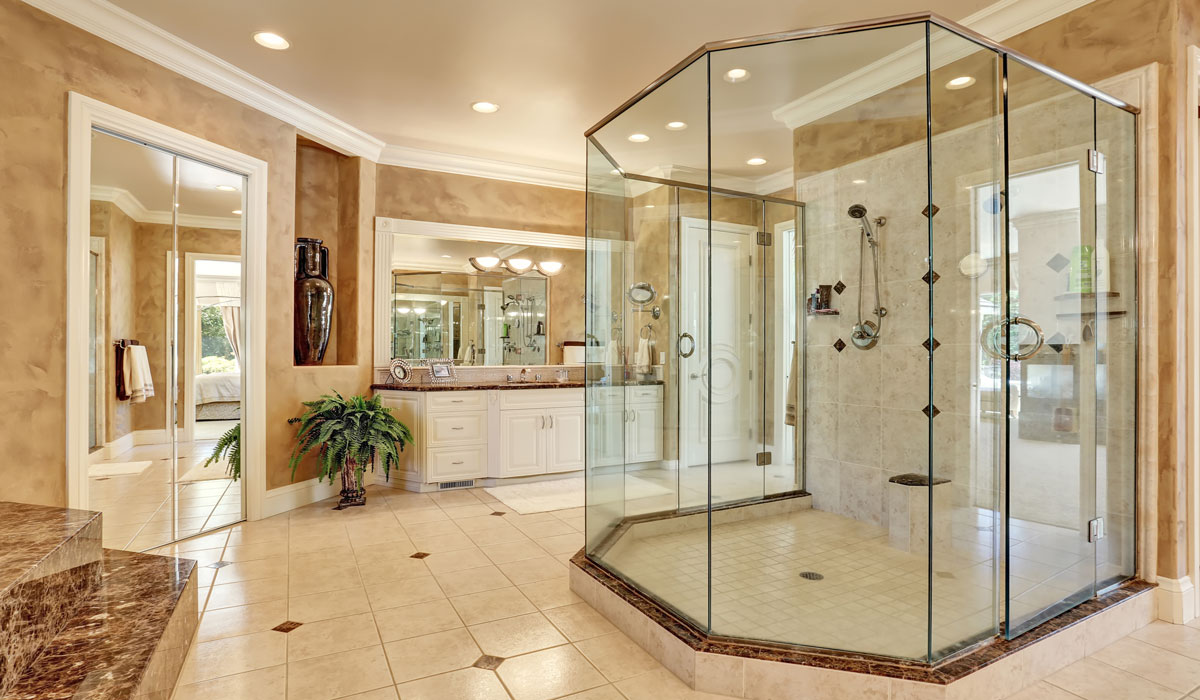
A bathroom can look expensive and still feel annoying every single morning. The wrong opening, swing path, glass style, or panel size can turn a clean remodel into a daily shoulder-bump routine. A shower glass door seems like the polished choice at first because it closes the bathing area, blocks splash, and gives the room a finished edge. But a fixed frameless panel has its own pull, especially in smaller American bathrooms where every inch near the toilet, vanity, and linen closet matters.
Most homeowners do not regret choosing glass. They regret choosing the wrong kind of glass for the way they move, clean, age, and share the space. That is why this decision deserves more than a quick showroom opinion or a pretty Pinterest photo. Good bathroom renovation planning starts with real use, not showroom lighting.
The best choice depends on layout, water control, cleaning tolerance, budget, and how much privacy you expect from a walk-in shower design. A tight guest bath in Ohio, a primary suite in Texas, and a beach house bathroom in Florida should not all get the same enclosure. Glass may look simple, but it changes the whole room.
How a Shower Glass Door Changes Daily Bathroom Use
A door gives a shower a clear boundary. That sounds obvious, but it matters more than most people expect. A bathroom glass enclosure with a working door feels contained, warmer, and more traditional, while an open panel feels lighter but demands smarter planning from the start.
When a Hinged or Sliding Door Makes Sense
A hinged door works best when the bathroom has room for the swing. You need safe clearance near the vanity, toilet, towel hook, and bath mat. In a common U.S. suburban primary bath, that may be easy. In a narrow 5-by-8 hall bathroom, it can become a daily nuisance.
Sliding doors solve some clearance issues because they do not swing outward. They make sense for alcove showers, tub-to-shower conversions, and bathrooms where the toilet sits close to the opening. The tradeoff is track cleaning. Soap film, mineral buildup, and hair tend to settle where hands do not want to reach.
A framed or semi-framed shower entry can also feel more forgiving in a family bathroom. Kids, guests, and older relatives understand how to use it without thinking. That small bit of predictability matters when the bathroom is shared by people who do not treat the space like a design showroom.
How Doors Control Water and Warmth
A door usually controls splash better than a single fixed panel. That becomes clear when someone takes a long hot shower, turns the spray outward, or uses a handheld shower head without paying attention. Water has a talent for finding the one gap nobody worried about during installation.
Warmth is the hidden reason many homeowners prefer a door. An open walk-in layout can feel airy in photos, but in colder states like Michigan, Pennsylvania, or Minnesota, that open side may feel chilly in January. A door traps more steam and keeps the shower experience closer to a small private room.
The counterintuitive part is that better water control does not always mean better comfort. A sealed enclosure can feel tight if ventilation is weak. If the bathroom fan is undersized or rarely used, the enclosed space may hold moisture longer, which can punish grout lines, caulk joints, and painted ceilings over time.
Frameless Shower Panel Benefits for Open Layouts
A fixed glass panel changes the mood of the room before anyone steps inside. It removes visual clutter, opens the floor line, and makes tile work feel more intentional. A frameless shower panel is not always cheaper or easier, but it can make a modest bathroom feel calmer when the layout supports it.
Why Open Panels Feel Larger Than They Are
A fixed panel lets the eye travel across the room without stopping at a handle, frame, or track. That visual quiet is why small bathrooms often look better with one clean sheet of glass than with a full door system. Less hardware means less interruption.
This works well in bathrooms where the shower is long enough to keep the spray zone away from the opening. A 60-inch shower with a fixed panel near the shower head often performs better than a short shower with a trendy open edge. Length matters. So does the direction of the spray.
The unexpected win is psychological. People often think open glass is about luxury, but it is more about reducing visual noise. In a bathroom with busy floor tile, dark grout, brass fixtures, and a patterned vanity, one quiet glass plane can keep the room from feeling overdesigned.
Where Frameless Panels Can Disappoint
A frameless shower panel can disappoint when the shower is too short, the shower head points toward the opening, or the floor slope is weak. Water does not care how expensive the glass looks. If the pitch is wrong, the bath mat becomes the drain.
Open panels also ask more from the user. You may need to angle the shower head, choose a lower-splash fixture, and accept a cooler shower entry. In a guest bath, that may not matter. In a daily primary bath, small irritations get loud over time.
Cleaning is not always easier either. A fixed panel has fewer moving parts, but it still shows hard water. In places like Arizona, Nevada, and parts of Southern California, mineral spots can appear fast unless the glass has a good protective coating and someone uses a squeegee. Beauty has chores attached.
Cost, Installation, and Long-Term Maintenance
Cost is where many homeowners get surprised. The glass itself is only part of the bill. Measurements, wall conditions, tile flatness, hardware quality, labor, and safety requirements all shape the final number. A shower door comparison that ignores installation is not a comparison at all.
Why Measurements Matter More Than Style
Glass installation is unforgiving. Walls that lean, curbs that slope poorly, and tile edges that wander can turn a simple order into a custom problem. Older homes in New Jersey, Boston, Chicago, and other areas with settled framing often need extra attention before glass is measured.
A door needs accurate alignment because hinges, seals, and strike points must meet cleanly. If the opening is out of square, the installer may need fillers, wider gaps, or custom hardware. None of those choices feels exciting, but they decide whether the door works without scraping or leaking.
A fixed panel still needs precision. The panel may look simpler, yet it depends heavily on solid anchoring and proper support. Heavy glass attached to weak blocking is not a detail to wave away. The U.S. Consumer Product Safety Commission’s architectural glazing rules cover safety requirements for glazing materials used in shower doors and enclosures, which is why certified safety glass matters in real bathroom projects.
Maintenance Differences That Show Up Later
Door systems bring hinges, handles, sweeps, seals, and sometimes tracks. Each piece adds a possible cleaning point and a future replacement part. The bottom sweep, in particular, often becomes the first part to yellow, stiffen, or tear.
Fixed panels remove many of those parts, but they do not remove maintenance. Silicone edges still need inspection. Glass still needs cleaning. Hardware still needs tightening if the panel uses clips or brackets. Low-maintenance does not mean no-maintenance.
The honest answer is that a bathroom glass enclosure stays attractive when the household has habits that match the design. A busy family that hates wiping glass may prefer patterned or frosted options. A tidy couple with a soft-water system may enjoy clear frameless glass for years with little frustration.
Choosing the Best Glass Setup for Your Bathroom
The smartest choice starts with movement, not style. Stand where the shower opening will be. Pretend to reach for a towel. Open the vanity drawer. Step out onto a bath mat. That awkward little rehearsal often tells the truth faster than a stack of product photos.
Match the Choice to Room Size and User Habits
A door suits bathrooms where water control, warmth, and privacy rank high. It also works well when several people use the bathroom and not everyone will be careful with spray direction. Families, rental properties, and guest bathrooms often benefit from that extra control.
A fixed panel suits bathrooms with enough shower depth, careful drain placement, and users who like open space. It works especially well in a primary suite where the same people use the shower daily and understand its habits. Design performs better when the users are predictable.
The unexpected insight is that the “higher-end” choice is not always the frameless one. In some homes, a well-built door feels more premium because it solves real problems. A luxury bathroom should not ask you to mop the floor every morning.
Think About Resale Without Ignoring Your Own Routine
Resale matters, but it should not bully the whole decision. Many American buyers like clean glass, bright tile, and easy access, yet they also notice leaks, awkward doors, and strange splash patterns during showings. A practical layout sells better than a fragile design statement.
A walk-in shower design with a fixed panel can photograph beautifully for a listing. A door can feel more complete during an in-person tour. The right answer depends on the bathroom size, the neighborhood price range, and whether the shower feels generous or cramped.
Your own routine still deserves the final vote. A remodel is not only for the future buyer who may or may not arrive in seven years. Choose the shower glass door only when it supports how the bathroom works each day, not because it sounds safer on paper. A good shower should disappear into the rhythm of your morning, not become the thing you keep working around.
Conclusion
Glass decisions look simple because the material is clear. The choice behind it is anything but clear when layout, splash, cleaning, comfort, budget, and resale all pull in different directions. A fixed panel can make a bathroom feel open and calm, while a door can make the same space feel warmer, drier, and easier to share.
The better option is the one that respects the room’s limits. A beautiful panel in a short shower is not elegant once water reaches the floor. A heavy door in a cramped bathroom is not practical if it bumps the vanity every morning. The smartest walk-in shower design comes from matching the glass to the space, not forcing the space to obey a trend.
Before ordering anything, measure the opening, study the spray direction, check ventilation, and talk with an installer who handles custom glass often. Bring real photos, not only inspiration shots. Your bathroom will tell you which choice fits if you pay attention before the glass is cut.
Frequently Asked Questions
Is a frameless shower panel better than a shower door?
It is better only when the shower has enough depth, strong drainage, and a spray direction that keeps water contained. A door is better for warmth, splash control, and shared bathrooms. The right choice depends on how the room works every day.
Does a fixed glass shower panel stop water from splashing out?
It can reduce splash, but it does not seal the opening. Panel length, shower head angle, curb design, and floor slope all affect water control. Short showers with strong spray often need a door or a longer panel.
Are frameless shower doors harder to clean than framed doors?
Frameless doors usually have fewer grooves and metal edges, so cleaning can be easier. They still show water spots, soap film, and fingerprints. Hard-water homes may need protective glass coating, regular squeegee use, or a water softener.
What thickness glass is best for a walk-in shower enclosure?
Many frameless systems use thicker tempered glass because the glass carries more visual and structural weight. The best thickness depends on panel size, support points, and hardware. A qualified installer should match the glass to the opening and local safety requirements.
Is a shower door safer than an open glass panel?
Safety depends on glass quality, installation, support, and layout. A door may feel more controlled, but a fixed panel can be safe when anchored correctly. Both should use approved safety glass and hardware suited to wet bathroom conditions.
Do frameless shower panels cost more than regular shower doors?
They can cost more when custom glass, thicker panels, premium hardware, or added support is needed. Some fixed panels cost less than full door systems because they use fewer moving parts. Final price depends on size, wall condition, and labor.
Which shower glass option is best for a small bathroom?
A fixed panel can make a small bathroom feel larger because it keeps the view open. A sliding or hinged door may control water better in tighter layouts. The deciding factor is whether the shower has enough length to contain spray.
Will a walk-in shower with glass improve home resale value?
It can help resale when the design feels clean, safe, and practical. Buyers notice bright bathrooms, quality tile, and good access. They also notice leaks and awkward layouts, so function matters more than choosing the trendiest glass style.