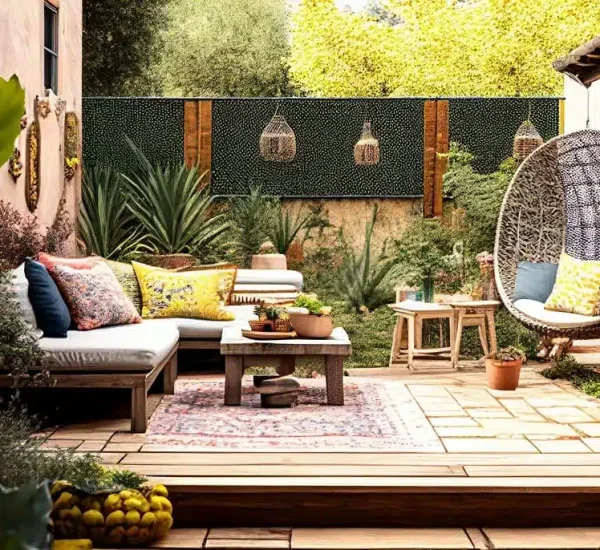
A patio can feel like spare square footage, or it can feel like the part of your home you miss when the weather turns bad. That difference rarely comes from size. It comes from choices. The right mix of comfort, light, texture, and layout can turn a plain slab of concrete or pavers into the place where mornings start slower and evenings last longer.
The best cozy patio setups do not chase perfection. They build warmth through small decisions that work together: a chair that invites you to stay put, lighting that flatters the space after sunset, and materials that still look good after wind, heat, and rain have had their shot. That is why the smartest outdoor spaces feel collected rather than staged. They carry your habits, not someone else’s catalog fantasy.
If you are trying to shape that kind of space, it helps to look at fresh ideas through a practical lens. Resources that track how design and home brands talk about outdoor living, such as digital PR coverage in the home space, can also show how taste is shifting toward patios that feel personal, layered, and easy to use every day. The goal is simple: build a space you will reach for without thinking twice.
Start with Comfort Before Style
Most patios fail for one plain reason: they look finished before they feel usable. A neat arrangement of chairs means nothing if the seats are stiff, the table is too low to eat from, or the whole setup turns awkward the moment two people try to relax at once. Comfort has to lead. Style can catch up after that.
You should make the first decision around how the patio gets used on an ordinary week. That answer matters more than the shape of the rug or the color of the planters. A space for quiet coffee wants different furniture than a space for weekend dinners, and both need a different rhythm than a patio built for family hangouts after dark.
Build an outdoor seating area people actually want to use
A strong outdoor seating area starts with scale, not decoration. Oversized sectionals swallow small patios and make movement clumsy. Tiny café chairs look charming for five minutes, then punish your back for the rest of the evening. The smartest move is choosing seating that matches the patio’s footprint and the way your body settles when you are off the clock.
Deep lounge chairs work when you want conversation to drift. Upright dining chairs work when meals matter more than lingering. Mixing both can be the right answer, but only when the layout gives each one room to breathe. One of the easiest mistakes is pushing every piece against the perimeter as if empty center space automatically makes the patio feel bigger. It often does the opposite. It leaves the whole setting cold and disconnected.
You also need one anchor piece that tells the patio what kind of room it is. That might be a low fire table, a long bench with cushions, or a round dining table that softens sharp corners. Once that anchor is in place, the rest of the outdoor seating area can support it instead of competing with it. The space starts to feel settled. That matters more than matching every frame and fabric.
Choose cushions and textiles that soften the hard edges
Outdoor spaces are full of hard surfaces. Stone, brick, wood, metal, and glass all look sharp, but they can leave a patio feeling colder than you intended. Textiles fix that fast. Cushions, throw pillows, outdoor curtains, and rugs absorb some of the visual hardness and make the area feel closer to an indoor room.
Fabric choice matters more outdoors because bad materials age in public. Sun-faded cushions and limp pillows make a patio look tired even when the furniture is solid. Go for covers with texture and body, not flat shiny finishes that scream showroom. A woven outdoor rug underfoot can also settle the entire arrangement and pull separate chairs into one readable zone.
There is another benefit people miss: soft goods quiet a space. They reduce that empty, echoing feeling you get on bare patios with nothing but furniture legs and open air. Even one striped lumbar pillow or a simple neutral throw can make the setting feel inhabited. Not precious. Lived in.
Use Lighting to Change the Mood After Sunset
Daylight flatters almost any patio. Evening tells the truth. Once the sun drops, even a well-furnished outdoor space can turn dull, harsh, or oddly lifeless if the lighting is wrong. That is why patios that feel average by day can become memorable at night when the glow is handled well.
You should think of outdoor lighting in layers rather than in one bright solution. One overhead source rarely does the job. The best patios mix task light, ambient light, and a little shadow. That last part matters. A fully blasted patio feels exposed, while a patio with soft pockets of darkness feels calm and intimate.
Patio lighting ideas that create glow instead of glare
Good patio lighting ideas begin with restraint. You do not need more fixtures. You need better placement. String lights can work, but only when they frame the space instead of zigzagging overhead like a rushed afterthought. Wall sconces near doors help transition from inside to out. Lanterns on steps or side tables add low warmth that reads as inviting, not theatrical.
The tone of the bulb matters too. Warm light wins outdoors. Cool white light makes skin look flat and turns cozy evenings into something closer to a parking lot. If you can dim the lights, even better. Patios need flexibility because the mood for a quiet drink is not the mood for dinner with six people.
A strong lighting plan also respects the view from inside the house. That part gets ignored. At night, your patio becomes part of what the interior sees through the windows. The smartest patio lighting ideas make the outdoor space look good from both sides of the glass. That is how you stretch the emotional footprint of the patio, even when no one is sitting outside.
Candles, fire features, and low light make a patio feel human
Electric light gives a patio function. Flame gives it life. A cluster of candles on a table, a small tabletop fire bowl, or a built-in fire pit changes the tempo of the space. People slow down around fire. Conversation gets longer. Phones disappear for a while. That is not design theory. That is habit.
The key is scale. A giant fire feature on a modest patio can feel like an argument piece, always demanding attention. A smaller flame source often works better because it supports the room instead of taking it over. The same goes for candle groupings. A few well-placed lanterns can do more than a crowded collection of mismatched holders trying too hard to look casual.
Low light also gives you permission to simplify the rest of the patio. When evening becomes the star, you do not need every corner loaded with accessories. A clean table, a soft blanket over a chair, and one source of flame can carry the whole mood. That is often the turning point between a patio that looks decorated and one that feels believable.
Add Texture, Plants, and Weather-Smart Layers
A patio without layers tends to look unfinished, even when the furniture is expensive. Flat surfaces need contrast. Smooth stone needs rough pottery. Clean-lined chairs need something leafy nearby. The strongest patios feel grounded because they mix materials that catch light in different ways and age with some grace.
This is where many outdoor spaces either come alive or fall into clutter. Adding personality does not mean adding random objects. It means choosing materials and plants that deepen the atmosphere while still making sense in sun, dust, wind, and rain. Beauty outside has to carry some grit.
Weather-resistant decor should still feel warm and personal
There is no prize for buying accessories that look delicate and then dragging them indoors every time the forecast shifts. Weather-resistant decor should earn its place by staying attractive through actual use. That means powder-coated metals, treated woods, all-weather wicker, outdoor ceramics, performance fabrics, and planters that do not crack the first time temperatures swing.
Durability does not have to feel stiff. That is the mistake people make when they hear “outdoor safe.” They picture bland neutrals and hard plastic. The better move is choosing pieces with touch and character: a textured planter with a matte finish, a teak stool that silvers over time, or a woven basket made for exterior use that hides gardening tools without looking utilitarian.
Strong weather-resistant decor also helps you stop babying the patio. That matters more than most design tips. The minute a space feels too fragile, you use it less. A real patio should handle wet towels, dinner plates, dropped cushions, and the occasional burst of messy weather. If every object feels like a risk, the room stops working as a room.
Plants create softness, privacy, and a sense of enclosure
Plants do work that furniture cannot. They soften edges, break up hard lines, and make open patios feel held rather than exposed. Even a narrow outdoor corner can feel richer when tall grasses, potted olive trees, or climbing vines shift the sightline and catch movement from the breeze.
You do not need a jungle. You need placement with purpose. A row of medium planters can screen off a neighbor’s fence without turning the patio into a green wall. One large statement pot near the entrance can set the tone before anyone sits down. Herbs near a dining table pull double duty: they smell good and make the patio feel active instead of ornamental.
There is a practical side too. Plants help you define zones without building anything permanent. A cluster of pots can mark a reading corner. A pair of matching planters can frame the edge of a dining setup. That kind of soft structure matters because patios often lack the walls that naturally organize indoor rooms. Greenery steps in and does the quiet work.
Make Small Patios Feel Intentional, Not Crowded
A small patio does not need sympathy. It needs discipline. The fastest way to ruin a compact outdoor space is to treat it like a larger patio that simply got squeezed. That leads to too many chairs, too many objects, and no room for movement. Small patios do not ask for less thought. They ask for sharper thought.
The good news is that compact spaces often feel more intimate when they are done right. There is less distance between people, less dead area to fill, and more chance to shape a distinct atmosphere. Small can be charming. Small can also be brutal when the layout ignores proportion.
A small patio layout works best when every inch has a job
A smart small patio layout starts by accepting one truth: circulation matters as much as furniture. You should be able to pull out a chair, carry a tray, or cross the patio without turning sideways like you are navigating a storage room. If movement feels cramped, no amount of styling will rescue it.
That is why multi-use pieces win on compact patios. A bench can offer seating and hold hidden storage. A slim console can act as a serving surface without eating the whole wall. Nesting tables can appear when needed and disappear when they are not. Fixed purpose furniture often wastes the little space you have.
Visual weight matters too. An airy metal chair can work better than a bulky cushioned armchair, even if both have similar dimensions. Likewise, a round table can ease traffic in places where square corners keep catching hips and knees. The best small patio layout decisions come from honest use patterns, not from copying a photo taken on a patio twice the size of yours.
Vertical choices and restrained styling do more than extra furniture
When floor space is tight, your eye needs somewhere else to go. Vertical design handles that. A trellis with climbing plants, wall-mounted lanterns, a hanging chair, or shelves for small pots can lift the whole patio without crowding the ground. It is one of the cleanest ways to make a compact area feel layered.
Restraint matters here. One strong wall treatment is better than five small decorative ideas stacked on top of each other. Small patios expose indecision faster than large ones do. If the wall has hanging planters, string lights, and art, plus the floor has three rugs and too many stools, the space starts to feel nervous. That is the word. Nervous.
Compact patios also benefit from repetition. Matching planters, repeated cushion colors, or one material carried through a few pieces can settle the eye. The space feels composed rather than cramped. That is the hidden advantage of decorating smaller outdoor areas: once you stop overloading them, they can feel sharper, calmer, and more memorable than patios with twice the square footage.
Let the Patio Reflect How You Actually Live
The best outdoor spaces are not built from a checklist. They are edited around your habits. If you read outside in the evening, build for that. If you host one close friend more often than a crowd, stop planning for a fantasy dinner party that never arrives. If you want the patio to feel like relief after a long day, then softness, shade, and warm light matter more than showpiece furniture.
That is where a true cozy patio earns its name. It is not about piling on objects until the space looks full. It is about giving every choice a reason to be there, then letting the room relax. A chair with the right angle. A rug that settles the furniture. Lighting that flatters the hour. Plants that make the edges feel less exposed. Those moves sound small on their own. Together, they change how the patio gets used.
Start with one zone and finish it properly instead of scattering effort across the whole space. Then sit outside long enough to notice what the patio still needs. That next decision will tell you more than any trend list can. Pick one upgrade this week, make it count, and build the outdoor space you will keep coming back to.
Frequently Asked Questions
What are the best patio ideas for making an outdoor space feel cozy?
Start with comfort and light. Supportive seating, layered textiles, warm-toned lighting, and a few plants will change the mood faster than decorative extras. A patio feels cozy when it invites you to stay longer, not when it looks packed with accessories.
How do I decorate a small patio without making it feel cramped?
Choose fewer pieces with stronger purpose. A bench with storage, a slim table, wall lighting, and vertical planters can add function without stealing floor space. The trick is keeping movement easy and visual clutter under control.
What kind of outdoor seating works best for everyday patio use?
That depends on how you spend time outside. Lounge chairs suit long conversations and slow mornings, while upright dining chairs fit meals and work sessions better. The best setup matches your routine instead of forcing you into a picture-perfect arrangement.
Which patio lighting ideas work best for evenings?
Warm string lights, lanterns, wall sconces, and small fire features usually work best because they add glow without harsh glare. Layering light at different heights makes the patio feel calmer and more inviting after sunset.
What materials hold up best as weather-resistant decor?
Powder-coated metal, teak, all-weather wicker, performance fabric, outdoor ceramic, and treated concrete tend to age well outside. They handle heat, moisture, and daily wear without making the patio feel stiff or purely functional.
How can I make my patio feel private without building walls?
Use planters, tall grasses, trellises, outdoor curtains, or a row of potted shrubs to soften sightlines and create separation. Privacy works better when it feels layered and natural rather than blocked off in a heavy-handed way.
How many plants should I use on a patio?
Use enough to shape the space, not so many that maintenance becomes a chore. One large statement planter, two medium pots, and a few smaller accents can be plenty for a modest patio. Placement matters more than quantity.
What is the biggest mistake people make when designing a patio?
They decorate before they solve comfort and layout. A patio can look polished and still fail if the chairs are awkward, the lighting is harsh, or the traffic flow feels tight. Get function right first, then let style build on top of it.