
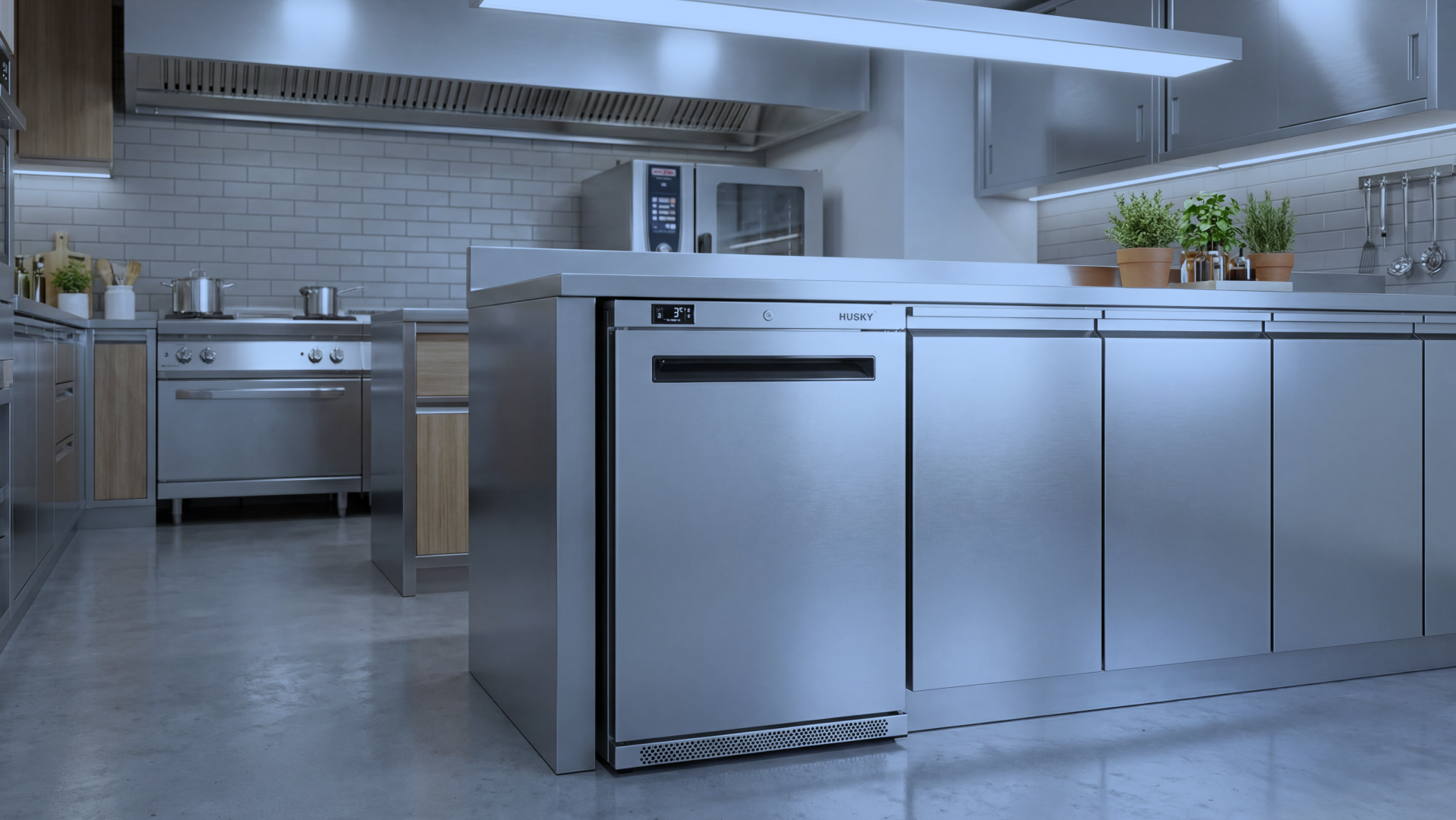
Commercial refrigeration is one of the most important investments for restaurants, grocery stores, convenience stores, medical facilities, hotels, and food service businesses. A reliable refrigeration system protects inventory, maintains food safety, reduces energy costs, and keeps daily operations running without interruption. When equipment is properly selected and maintained, businesses experience fewer breakdowns, longer equipment life, and improved operational efficiency.
Many businesses only think about their refrigeration equipment when something goes wrong. However, preventative care and smart operational habits can significantly reduce unexpected repair costs while helping equipment perform at its best. Understanding commercial refrigeration best practices allows business owners to maximize their investment while protecting their products and reputation.
Why Commercial Refrigeration Matters
Commercial refrigeration does much more than keep products cold. It plays a direct role in customer satisfaction, regulatory compliance, and profitability.
Businesses rely on refrigeration systems to
- Preserve food quality
- Maintain safe storage temperatures
- Reduce product waste
- Improve operational efficiency
- Lower utility expenses
- Protect valuable inventory
A refrigeration failure can quickly result in spoiled products, lost revenue, unhappy customers, and costly emergency repairs. Developing good maintenance habits helps minimize these risks.
Keep Refrigeration Equipment Clean
One of the easiest yet most overlooked maintenance practices is regular cleaning.
Dust, grease, and debris naturally build up around refrigeration equipment over time. Dirty condenser coils force compressors to work harder, increasing energy consumption while shortening equipment lifespan.
Cleaning should include
- Condenser coils
- Evaporator coils
- Door seals
- Drain lines
- Fan blades
- Interior shelving
Maintaining a clean system improves airflow and helps equipment operate more efficiently.
Monitor Temperature Consistently
Consistent temperature monitoring is essential for protecting inventory and meeting health regulations.
Even slight temperature fluctuations can affect food quality and product safety. Installing digital monitoring systems allows businesses to quickly identify issues before they become expensive problems.
Best practices include
- Checking temperatures daily
- Using calibrated thermometers
- Setting automatic temperature alerts
- Recording temperature logs
- Investigating unusual fluctuations immediately
Maintaining proper temperatures also helps compressors avoid unnecessary strain.
Avoid Overloading Refrigeration Units
Many businesses mistakenly believe filling every available space improves efficiency.
In reality, overcrowded refrigeration units restrict airflow, forcing the system to work harder to maintain proper temperatures.
Instead
- Leave space between products
- Avoid blocking air vents
- Rotate inventory regularly
- Store products according to manufacturer recommendations
Proper airflow allows cold air to circulate evenly throughout the cabinet.
Inspect Door Gaskets Frequently
Door seals play a surprisingly important role in refrigeration efficiency.
Damaged or worn gaskets allow cold air to escape while warm air enters the cabinet. This causes compressors to cycle more frequently, increasing wear and utility costs.
Signs of failing door seals include
- Cracks
- Loose edges
- Moisture buildup
- Frost accumulation
- Difficulty closing doors
Replacing damaged gaskets is an inexpensive repair that often delivers immediate energy savings.
Schedule Preventative Maintenance
Preventative maintenance is one of the smartest investments any business can make.
Professional inspections help identify small problems before they become major equipment failures. Routine service also improves reliability and extends equipment lifespan.
A preventative maintenance visit may include
- Refrigerant pressure checks
- Electrical inspections
- Compressor testing
- Fan motor evaluation
- Thermostat calibration
- Coil cleaning
- Drain inspections
Regular servicing reduces emergency breakdowns and keeps systems operating efficiently throughout the year.
Train Employees on Proper Usage
Even the highest-quality refrigeration equipment can suffer unnecessary wear if employees use it improperly.
Simple staff training makes a significant difference in equipment performance.
Employees should understand how to
- Keep doors closed whenever possible
- Report unusual noises immediately
- Avoid overloading shelves
- Store products correctly
- Clean spills promptly
- Monitor temperatures
When everyone follows consistent procedures, equipment experiences less stress and performs more reliably.
Invest in Energy-Efficient Commercial Refrigeration
Modern commercial refrigeration technology has advanced considerably over the past decade.
Today’s high-efficiency systems consume less electricity while delivering better temperature consistency and improved reliability.
Energy-efficient features may include
- Variable speed compressors
- LED interior lighting
- Electronically commutated fan motors
- Smart temperature controls
- Improved insulation
- Advanced monitoring systems
Although new equipment requires an upfront investment, lower operating costs often provide long-term savings.
Recognize Early Warning Signs
Many refrigeration failures provide warning signs before a complete breakdown occurs.
Business owners who recognize these symptoms can schedule repairs before costly damage develops.
Watch for
- Unusual noises
- Water leaks
- Frost buildup
- Rising energy bills
- Inconsistent temperatures
- Compressor running continuously
- Products not staying cold
Ignoring these warning signs often results in more expensive repairs later.
Protect Your Investment Year Round
Seasonal weather changes can affect refrigeration performance.
Hot summer temperatures force systems to work harder, while colder months may introduce different operating challenges depending on equipment location.
Businesses should
- Ensure proper ventilation
- Keep condenser areas free from obstructions
- Inspect outdoor equipment regularly
- Maintain adequate clearance around units
- Schedule seasonal maintenance before peak demand periods
Planning ahead reduces the risk of unexpected downtime during busy seasons.
Choose the Right Refrigeration Partner
Not all refrigeration service providers offer the same level of expertise.
Working with experienced professionals ensures installations, maintenance, and repairs are completed correctly the first time. Skilled technicians understand how different refrigeration systems operate and can recommend practical solutions tailored to each business.
When selecting a service provider, consider
- Industry experience
- Certified technicians
- Preventative maintenance programs
- Emergency repair availability
- Strong customer reviews
- Knowledge of multiple refrigeration systems
- Commitment to long-term customer support
Building a relationship with a trusted refrigeration specialist provides peace of mind and helps businesses avoid costly disruptions.
The Long-Term Value of Preventative Care
Businesses often focus on repair costs while overlooking the larger financial picture.
Routine maintenance delivers measurable long-term benefits, including
- Reduced equipment downtime
- Lower repair expenses
- Extended equipment lifespan
- Better energy efficiency
- Improved food safety
- More consistent performance
- Greater operational reliability
These advantages contribute directly to improved profitability while protecting valuable inventory and customer trust.
Smart Strategies for Success
Reliable commercial refrigeration is essential for businesses that depend on temperature-controlled storage. Whether operating a restaurant, grocery store, healthcare facility, or commercial kitchen, following proven maintenance practices helps reduce costs, improve efficiency, and minimize unexpected downtime.
From cleaning condenser coils and monitoring temperatures to scheduling preventative maintenance and investing in energy-efficient equipment, every proactive step supports long-term success. Businesses that prioritize proper refrigeration care not only protect their products but also strengthen daily operations and customer confidence.
For companies seeking dependable refrigeration expertise, Buffos Refrigeration provides professional solutions designed to keep commercial refrigeration systems operating at peak performance, helping businesses stay productive, efficient, and prepared for whatever the day brings.
Learn more at buffos-refrigeration.