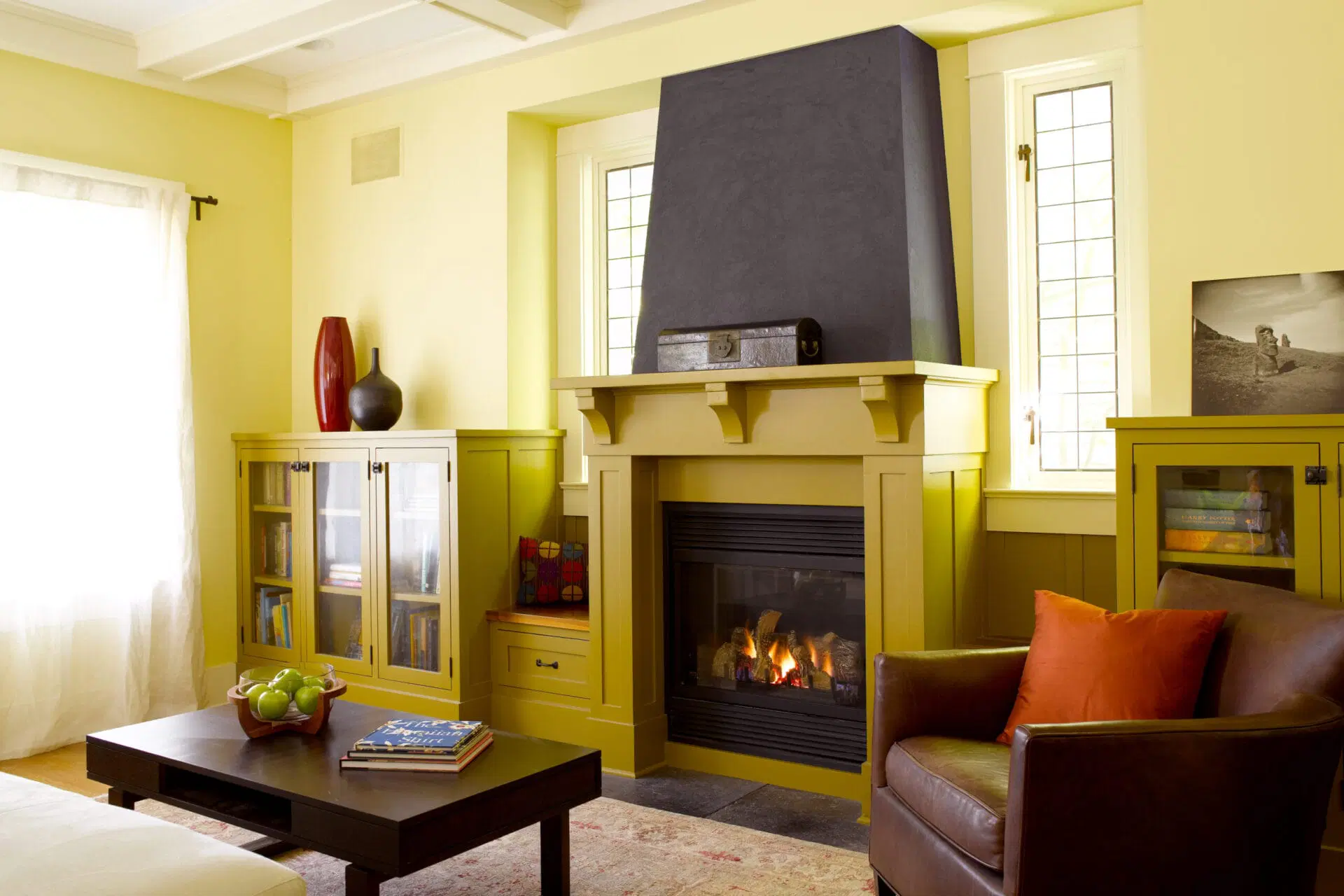
Old fireplaces have a strange habit of looking warm while letting heat slip straight up the chimney. That is why many U.S. homeowners start thinking about an insert after one winter of beautiful flames and cold rooms. A well-planned insert can turn that drafty opening into a steadier heat source, but the job rewards patience more than speed. Smart home improvement choices, like the practical upgrades often shared through home comfort and property improvement resources, work best when the hidden parts get as much attention as the finish trim. The firebox, flue, fuel type, room size, and local permit rules all shape the result before the first tool comes out. EPA-certified wood appliances are built to meet federal clean-air standards, and current EPA guidance says certified wood-burning appliances include fireplace inserts. The real win is not buying the biggest unit on sale. It is matching the insert to the house you already live in, so the room feels warmer without creating smoke, noise, clearance problems, or wasted fuel.
Fireplace Insert Installation That Starts With the Fireplace You Already Own
The existing fireplace is not an empty box waiting for a new machine. It is the part of the house that decides what can fit, what can vent, and what needs repair before the upgrade makes sense. Many projects go sideways because the homeowner shops from the showroom outward instead of measuring from the masonry inward.
Why the old firebox still sets the rules
A masonry fireplace can look solid from the living room and still hide cracks, loose mortar, smoke chamber gaps, or an oversized flue that never drafted well. Those flaws matter because an insert changes the way heat and exhaust move through the system. The old fireplace stops being a decorative feature and becomes part of a controlled heating appliance.
The installer should measure the front opening, rear width, depth, height, hearth extension, damper area, and flue path. A quarter-inch can decide whether a surround sits cleanly or looks forced. In older Northeast and Midwest homes, uneven brick and settled hearths are common, and those details rarely show up in a product brochure.
A surprising truth catches many homeowners off guard: the prettiest fireplace opening may be the hardest one to upgrade. Arched surrounds, shallow fireboxes, and historic mantels can limit insert choices more than plain builder-grade masonry. Good planning protects the character of the room instead of fighting it.
What a site visit should catch before ordering
A real site visit should feel more like a chimney exam than a sales appointment. The technician should check the flue condition, damper clearance, exterior chimney height, cap, crown, flashing, and nearby combustibles. U.S. Fire Administration guidance tells homeowners to have chimneys inspected and cleaned each year by a professional, which makes that inspection a safety step, not a nice extra.
Permits also belong in this early conversation. Many cities and counties treat insert work as a mechanical or solid-fuel appliance installation, and some require final inspection before regular use. That may feel slow, but it protects resale value and gives your insurance company fewer reasons to question a future claim.
The best contractors are not annoyed by these checks. They expect them. A rushed quote that skips the chimney and focuses only on the faceplate should make you pause, because heat problems almost never begin at the faceplate.
Choosing Fuel, Size, and Venting Before You Buy
Once the fireplace has been measured and inspected, the real choice begins. Fuel type shapes the daily experience more than trim style, glass shape, or brand name. A homeowner in Vermont who heats through long cold snaps needs a different setup than a family in Atlanta that wants cozy evenings without hauling wood.
Wood burning insert choices for colder regions
A wood burning insert makes sense when you have access to seasoned firewood, enjoy tending a fire, and want strong heat during cold weather. Modern certified units burn cleaner than old open fireplaces, but they still ask for discipline. Wet wood, lazy fires, and poor draft can undo much of the benefit.
EPA says new wood heaters sold in the United States must meet federal emission limits, with the 2020 standard set at 2.0 grams per hour when tested with crib wood or 2.5 grams per hour when tested with cord wood. That matters because a cleaner burn usually means more heat stays in the room and less smoke goes into the neighborhood.
Bigger is not always better. An oversized unit can push too much heat into the main room, forcing you to choke the fire down. That cooler burn can create more creosote and weaker performance. The right size lets the insert run in its healthy range instead of turning your family room into a sauna.
Gas fireplace insert planning for steady comfort
A gas fireplace insert fits homeowners who want fast heat, cleaner daily handling, and simple control. It can work well in suburban homes where wood storage is limited or local burn restrictions make solid fuel less appealing. The tradeoff is that gas planning depends on fuel line capacity, venting layout, and electrical needs for blowers or ignition systems.
Direct-vent gas units often use a co-linear liner system, with one path for intake air and one for exhaust. That sealed approach can reduce room drafts compared with an open fireplace. Still, the installer must follow the listed appliance manual because gas venting is not a place for field creativity.
The quiet detail many people miss is blower noise. A display model in a showroom may sound mild, but your own room has different acoustics. Ask to hear the fan speeds, look at control placement, and think about where people sit during normal evenings. Comfort is heat plus calm, not heat alone.
Heat Output Depends on Airflow, Liner Fit, and Everyday Use
The insert does not create good performance by itself. Heat output comes from the full system: the appliance, liner, fuel, draft, blower, and the way you run it on an ordinary Tuesday night. That is where many homeowners either gain the comfort they hoped for or wonder why the upgrade feels underwhelming.
Why the chimney liner can make or break performance
A chimney liner is more than a metal tube dropped through the flue. It controls the exhaust path, helps maintain draft, and connects the appliance to the top of the chimney in a safer, more predictable way. Local code pages, such as Portland’s guidance for stoves and inserts, state that wood stoves must vent through a listed metal chimney or lined masonry chimney, not an unlined masonry chimney.
For many inserts, a full stainless liner from the appliance collar to the chimney top is the cleanest answer. It can improve draft, make sweeping easier, and reduce the odd behavior that happens when a small appliance vents into a large old flue. Short-cut venting may cost less on day one, but it often costs comfort later.
Insulation around the liner may be needed in some chimneys, especially exterior masonry chimneys that run cold. Cold flues cool exhaust faster, and cooler exhaust can hurt draft. The liner choice should follow the appliance manual, local code, and the chimney condition, not a guess made from the living room rug.
How fireplace efficiency shows up in normal rooms
Fireplace efficiency is not an abstract rating once winter settles in. You feel it when the couch area warms without roasting the mantel wall, when the furnace cycles less often, and when the room keeps heat after the flames settle. The numbers matter, but the lived result matters more.
Blowers help move heated air out from the insert body and into the room. They do not create heat, though, and that distinction matters. A weak fire, poor draft, or bad fuel cannot be saved by a fan. The blower only shares the heat the system has already earned.
Room layout also changes results. A center chimney in a compact ranch may spread warmth better than a fireplace stuck at the end of a long, open-plan addition. Counterintuitive as it sounds, closing a far bedroom door can sometimes make the main living zone more comfortable because the heat stops chasing dead space.
Safety Checks That Keep the Upgrade Worth Owning
A good insert should make the house feel calmer, not more complicated. That only happens when safety becomes part of ownership instead of a one-time installation concern. Fire, carbon monoxide, ash handling, and maintenance all stay in the picture after the contractor leaves.
Clearances, permits, and the no-shortcut zone
Clearances decide how close heat can safely sit to wood trim, mantels, flooring, furniture, and nearby walls. The appliance manual sets those limits, and the inspector may look for them during final approval. Guessing here is reckless because heat can affect nearby materials over time, not only during one dramatic failure.
USFA heating safety guidance says anything that can burn should stay at least 3 feet from fireplaces, wood stoves, and other heat sources. It also advises professional yearly chimney cleaning and inspection. Those simple rules sound plain because they are meant to be remembered when life gets busy.
Carbon monoxide alarms belong near sleeping areas and on each level according to many local safety programs, and smoke alarms need regular testing. The insert may be beautiful, but it is still a combustion appliance. Treat it with the same respect you give a furnace.
Maintenance habits after the first burn
The first few fires often reveal small adjustments. Paint curing smells, blower settings, draft quirks, and smoke spillage during reloads can all show up early. A good installer should explain what is normal, what should fade, and what deserves a call back.
Wood users need dry fuel, clean glass habits, ash discipline, and regular sweeping. Gas users need burner inspection, glass cleaning, vent checks, and attention to flame appearance. Different fuel, same principle: small maintenance prevents expensive drama.
Ash handling deserves extra respect because embers can stay alive longer than people expect. USFA guidance says ashes should go into a metal container with a lid and be placed outside at least 10 feet from the home. That is not fussy advice. It is the kind of habit that keeps a good heating upgrade from becoming a fire report.
A smart fireplace insert installation is less about forcing more flame into a room and more about building a heating system that behaves well every week. The best outcome comes from honest measuring, proper venting, right-sized equipment, clean fuel, and a contractor who treats the chimney like part of the appliance. Do not let a pretty surround distract you from the work hidden behind it. That hidden work decides whether the insert feels like a luxury or a regret. Before you buy, schedule a chimney inspection, ask about permits, compare fuel options, and read the appliance manual with the same seriousness you give the price tag. Better heat is possible, but it belongs to homeowners who respect the whole system, not only the visible fire. Start with the chimney, then choose the insert.
Frequently Asked Questions
How much does a fireplace insert improve heat in a living room?
A properly matched insert can make a living room feel warmer because it sends more heat into the room instead of losing it through the chimney. Results depend on room size, fuel type, blower design, draft quality, insulation, and whether the insert is sized for the actual space.
Do I need a chimney liner for a fireplace insert?
Most insert projects need a proper liner, and many modern units perform best with a full stainless liner to the chimney top. The liner helps control draft, carries exhaust out safely, and makes cleaning easier. The appliance manual and local code should guide the final setup.
Is a wood or gas fireplace insert better for U.S. homes?
Wood works well for homeowners who want strong heat and have dry firewood available. Gas suits people who prefer quick starts, cleaner handling, and steady control. Climate, fuel cost, local burn rules, and lifestyle matter more than one universal answer.
Can I install a fireplace insert myself?
Most homeowners should not handle this as a DIY project. Inserts involve venting, clearances, combustion safety, permits, and sometimes gas or electrical work. A poor install can create smoke problems, fire hazards, carbon monoxide risks, and insurance trouble.
How long does fireplace insert work usually take?
The physical work often takes a day when the chimney is sound and parts are ready. Repairs, permits, custom panels, gas line changes, or liner complications can extend the schedule. The inspection and planning stage often matters more than the install day itself.
What size fireplace insert do I need?
The right size depends on the firebox dimensions, room layout, insulation, ceiling height, climate, and heating goal. Oversizing can make the room too hot and encourage poor burn habits. Undersizing can leave you disappointed during cold weather.
Will a fireplace insert work during a power outage?
Many wood inserts can still produce radiant heat without electricity, though the blower will not run unless backed by battery or generator power. Some gas models may operate during outages, but ignition systems vary. Always check the exact model before relying on it.
How often should a fireplace insert be serviced?
Annual inspection is a wise baseline for both wood and gas inserts. Wood systems may need more cleaning with frequent use, poor fuel, or heavy creosote buildup. Gas units still need vent, burner, glass, gasket, and safety checks even when they look clean.