
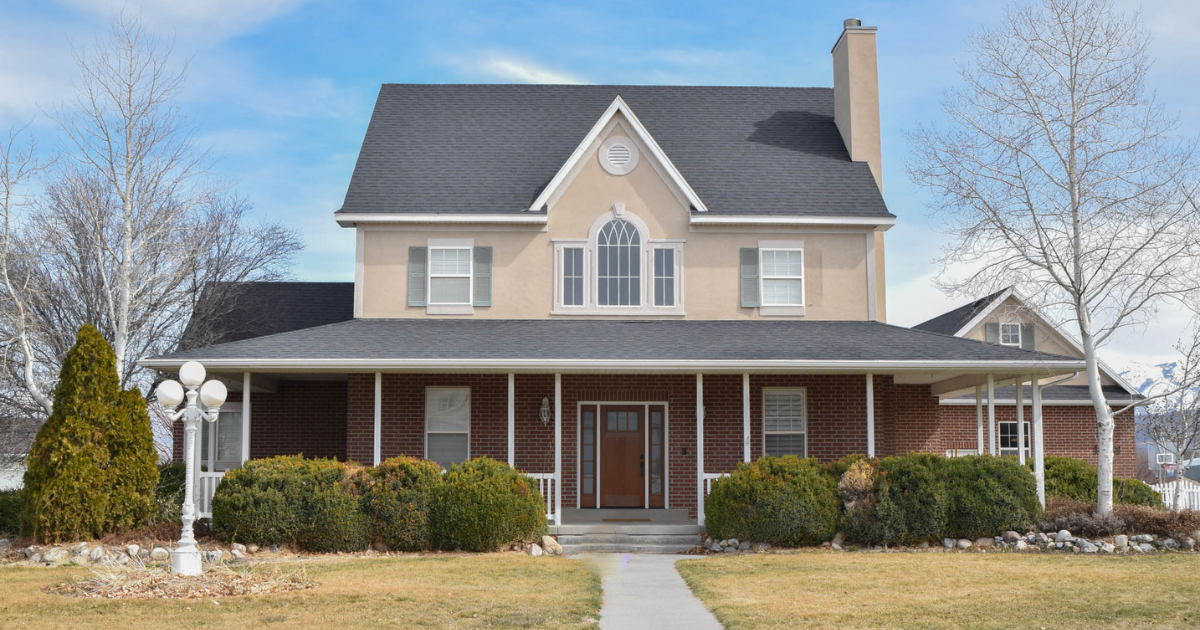
A tired front door can make a cared-for house look neglected before anyone steps inside. Buyers, neighbors, appraisers, and even delivery drivers read that entry point faster than you think, and front door replacement cost often feels smaller once you compare it with the instant lift a clean, well-fitted door gives the whole exterior. The 2025 national Cost vs. Value data shows steel entry door replacement at a $2,435 job cost with $5,270 in resale value, while a fiberglass grand entrance costs $11,754 with $9,959 in resale value.
That does not mean every homeowner should chase the highest return number like it is a slot machine. A door has to fit the house, the climate, the street, and the way your family actually lives. A modest ranch in Ohio does not need the same entry door upgrade as a stucco home outside Phoenix or a brick colonial in New Jersey. Smart home improvement planning starts with that honest match between budget and visual payoff.
Front Door Replacement Cost Should Be Judged Against First Impressions
The front entry works like a handshake. It can feel solid, cheap, warm, dated, secure, or careless before anyone has seen the kitchen, flooring, or backyard. That is why curb appeal value is not some fluffy real estate phrase. It is the first emotional price tag a visitor attaches to the home.
Why Buyers Notice the Door Before the Square Footage
Most people do not study a home from the sidewalk with a contractor’s eye. They respond to signals. A faded slab, scratched kick plate, fogged glass insert, or warped frame tells them maintenance may have slipped elsewhere too.
A clean exterior door installation sends the opposite message. It says the owner pays attention to details that touch daily life. In a tight U.S. housing market, where buyers often compare homes online before booking a showing, that first image can decide whether your property makes the short list.
The odd part is that a front door can shape opinion out of proportion to its size. A $3,000 project can make the porch, trim, house numbers, lighting, and siding look more intentional. A $30,000 interior project stays invisible until someone crosses the threshold.
How Curb Appeal Value Changes by Neighborhood
Curb appeal value depends on context. In a starter-home subdivision in Kansas City, a fresh steel door with clean hardware may hit the right note. In a historic Boston neighborhood, the same door might look too flat unless the panel style respects the home’s age.
One homeowner in a Dallas suburb might gain more from a bold painted door than from decorative glass. Another in coastal South Carolina may need impact-rated materials, better weatherstripping, and finishes that can handle salt air. The payoff is not only visual. It is also practical.
The counterintuitive truth is simple: the best-looking door is not always the most expensive one. It is the one that makes the whole front elevation look settled, maintained, and believable for that specific house.
Material Choice Decides Whether the Entry Door Upgrade Pays Off
A door material is not only a style decision. It affects dents, heat gain, upkeep, security, energy feel, and resale perception. Steel, fiberglass, and wood each have a place, but they do not serve the same homeowner equally.
When Steel Makes the Most Financial Sense
Steel often wins when the goal is strong value without turning the project into a luxury spend. Recent national remodeling data places steel entry door replacement among the top return projects, with the 2025 report showing 216% cost recouped.
That number makes sense because steel keeps the entry door upgrade focused. You pay for a cleaner look, solid security feel, and a crisp front elevation without buying oversized sidelights, custom staining, or ornate glass. For many American homes, that restraint is the strength.
Steel has limits. Dark colors can absorb heat in sunny regions, dents may show on busy family entries, and low-end models can look plain if the surrounding porch has strong architectural details. Still, for a practical resale-minded homeowner, steel is often the sharpest dollar-for-dollar move.
Where Fiberglass Earns Its Higher Price
Fiberglass starts making more sense when the house needs warmth, texture, or a wood-like look without wood’s maintenance habits. The same 2025 data lists a fiberglass grand entrance at a higher national job cost and a lower percentage recouped than steel, but percentage is not the whole story.
A fiberglass door can fit a Craftsman bungalow, a higher-end suburban home, or a traditional brick facade better than a plain steel slab. It can carry deeper panel detail and richer finish options. That matters when the front door is a main design feature, not a background part.
The risk comes when homeowners buy too much door for the house. A grand fiberglass system with sidelights may look impressive in a showroom, then feel oversized on a compact porch. Exterior door installation should make the home look better, not make the door look like it came from a larger house.
Installation Quality Protects the Money You Spend
A good door can fail in the hands of a careless installer. That sounds harsh, but anyone who has seen daylight under a new threshold knows the truth. The product matters, yet the fit decides how the door feels every morning for years.
Why the Frame Matters as Much as the Slab
Many homeowners compare slabs first because that is what they see in the store. The frame, sill, hinges, flashing, shims, and weather seal carry the hidden value. A beautiful slab in a twisted frame can drag, leak, rattle, and make the home feel cheaper than before.
Prehung systems often make sense when the existing frame has rot, movement, old damage, or poor insulation. Slab-only replacement can work when the frame is square and sound, but that is not a guess you want to make from a quick glance.
A smart contractor checks the rough opening, threshold height, water exposure, and trim condition before quoting the job. That step may feel slow, but it prevents the ugly surprise of paying twice: once for the door and again to fix the parts that should have been addressed first.
What Labor Adds Beyond Hanging the Door
Labor covers more than lifting the new door into place. It includes removing the old unit, protecting the flooring near the entry, aligning the hinge side, sealing the sill, trimming the interior, adjusting the lockset, and checking swing clearance.
That work becomes more demanding in older U.S. homes. A 1920s house in Pittsburgh may have out-of-square framing. A Florida home may need code-aware choices for wind exposure. A Minnesota entry may need special care around air sealing because winter drafts punish sloppy work fast.
Here is the quiet truth most homeowners learn too late: the cheapest exterior door installation can become the most expensive one if it lets water behind the trim. A front door is part furniture, part weather barrier, and part security point. Treat it like all three.
Style Choices Turn a Basic Replacement Into Lasting Home Resale Value
A new door should not scream for attention. It should make the whole front of the house feel more confident. That is where home resale value meets taste, and taste matters more than many spreadsheets admit.
Which Colors and Hardware Age Well?
Color can create instant energy, but it can also date a house fast. Navy, black, deep green, warm red, and stained wood tones tend to hold up across many American neighborhoods because they feel intentional without chasing a trend.
Hardware does similar work on a smaller scale. A worn brass knob can make even a decent door look tired. A clean handle set, matching deadbolt, and doorbell finish can sharpen the entry for far less money than adding glass or changing the entire porch.
The unexpected move is to spend some budget around the door, not only on the door. New house numbers, a better porch light, fresh trim paint, and a healthy planter can multiply the visual effect. Buyers rarely separate those details. They feel the total impression.
How Glass, Sidelights, and Privacy Affect Value
Glass can make an entry feel brighter, but it needs discipline. Full glass may look good in a catalog and feel exposed in real life. Half-lite designs, textured glass, or narrow sidelights can bring light without turning the foyer into a display case.
Privacy matters more in dense neighborhoods. A home near a sidewalk in Chicago or a street-facing entry in Los Angeles may benefit from frosted or patterned glass. In a spread-out suburban setting, clearer glass may feel welcoming instead of risky.
Home resale value rises when the entry feels upgraded and easy to live with. A door that looks attractive but makes the homeowner uncomfortable every evening misses the point. Good design should reduce friction, not create a new problem with prettier trim.
The Smartest Door Choice Balances Cost, Comfort, and Timing
A door replacement is not only a resale move. It changes the way the home greets you after work, handles bad weather, and presents itself to the street. The smartest choice respects both the future buyer and the person living there now.
When to Replace Before Listing the Home
Sellers should consider replacement when the current door looks damaged in photos, sticks during showings, has visible rot, or weakens the home’s first impression. Buyers may forgive an older bedroom carpet. They are less forgiving when the front entry feels neglected.
Timing matters. Replace the door early enough to finish paint, trim, hardware, and any porch touch-ups before listing photos. A rushed install two days before the photographer arrives can leave caulk lines, dust, or unfinished interior trim in plain sight.
One practical rule works well: if the door makes you feel the need to explain it, replace it or repair it before buyers see it. Explanations cost trust. A clean entry lets the showing begin without an apology.
When Repair Beats Replacement
Replacement is not always the grown-up answer. A solid wood door with good bones may need refinishing, new weatherstripping, a better sweep, and updated hardware. A painted steel door with minor surface wear may need prep and a high-quality exterior paint job.
Repair makes sense when the frame is sound, the style fits the house, and the issues are cosmetic. It becomes a weak choice when the slab is warped, the threshold leaks, the frame has rot, or the lock area feels loose.
The best budget decision is the one that solves the real problem. Spending less only works when it fixes what buyers and homeowners actually notice. Saving money while leaving the entry feeling tired is not thrift. It is delay.
Conclusion
A front door carries more weight than its square footage suggests. It shapes the first photo, the first step, the first touch, and the first private judgment someone makes about the rest of the home. That is why homeowners should compare front door replacement cost against more than a receipt. They should compare it against daily comfort, buyer confidence, weather protection, security feel, and the quiet pride of pulling into a house that looks cared for.
Steel often gives the strongest financial case. Fiberglass can make sense when style and architectural fit matter more than the highest return percentage. Wood still has charm, but it asks for maintenance many busy homeowners underestimate.
Do not buy the fanciest door you can afford. Buy the door that makes your specific house look honest, finished, and well kept. Start with the condition of the frame, choose a material that fits your climate, then finish the entry with hardware and trim that make the upgrade feel complete.
Frequently Asked Questions
How much does a front door replacement usually cost in the United States?
Most basic entry door projects fall somewhere between a modest steel replacement and a higher-end fiberglass system. National 2025 remodeling data lists steel entry door replacement at $2,435 and a fiberglass grand entrance at $11,754, but local labor and project scope can shift the final price.
Is a steel front door better than fiberglass for resale value?
Steel often performs better by percentage because it costs less and still creates a strong visual upgrade. Fiberglass may suit higher-end homes or traditional styles better, especially when a wood-like finish fits the architecture. The better choice depends on the house, not only the return chart.
Does a new front door increase curb appeal value right away?
Yes, because the front door sits at the center of the home’s first impression. A clean, secure, well-colored door can make siding, trim, porch lighting, and landscaping look more polished, even when those other parts stay the same.
What is the best front door color for resale?
Black, navy, deep green, warm red, and natural wood tones often age well because they feel confident without becoming loud. The safest color is the one that matches the roof, trim, siding, and neighborhood character while still giving the entry some presence.
Should I replace the front door before selling my house?
Replace it before listing if the door is damaged, warped, hard to open, drafty, or unattractive in listing photos. Buyers form opinions fast at the entry, and a weak front door can make the rest of the home feel less maintained.
Can I replace only the door slab and keep the old frame?
You can replace only the slab when the frame is square, solid, dry, and properly aligned. A prehung door is often better when the frame has rot, gaps, water damage, old movement, or poor weather sealing around the threshold.
What adds more value, a new front door or new hardware?
A full door replacement adds more value when the existing slab or frame is damaged. New hardware can be the smarter buy when the door is sound but looks dated. A fresh handle set, deadbolt, and paint can lift the entry for far less money.
How long does an exterior door installation take?
Many standard replacements can be completed in one day when the opening is in good shape. Older homes, rot repair, custom sizing, sidelights, storm doors, or trim changes can add time. The job should not be rushed because sealing and alignment protect the value of the project.